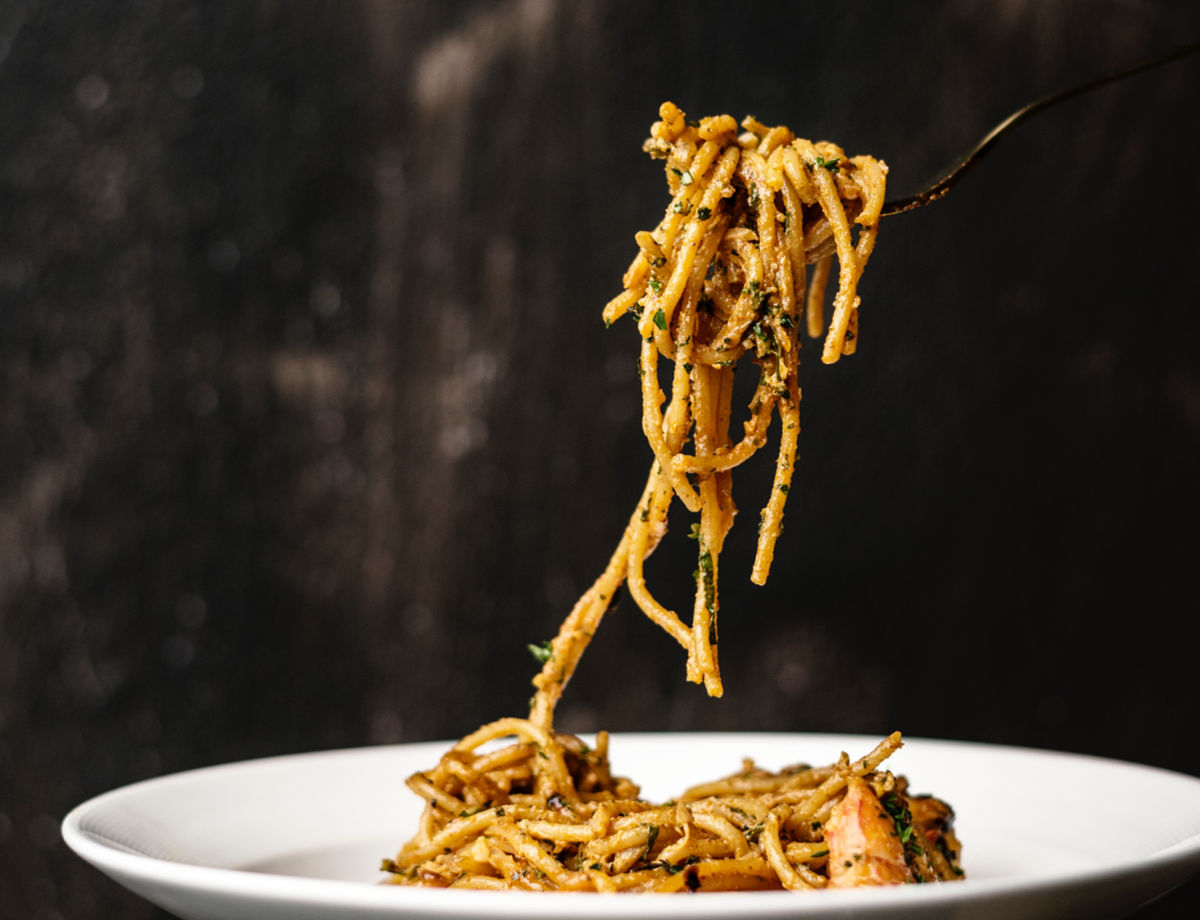
Chicken Piccata is the dish that proves Italian cooking is about balance - the brightness of lemon, the brininess of capers, the richness of butter, all coming together to elevate simple chicken into something extraordinary. While it has Italian roots, this dish was perfected in Italian-American kitchens and has become a beloved classic on both sides of the Atlantic.
The Piccata Philosophy
“Piccata” refers to the cooking method: meat that’s sliced, pounded thin, dredged in flour, and sauteed, then finished with a pan sauce. The technique originated in Italy, where veal piccata (piccata di vitello) is the traditional version. Americans adapted it with chicken, and the rest is culinary history.
Ingredients (Serves 4):
For the Chicken:
- 4 boneless, skinless chicken breasts (about 680g/1.5 lb)
- 1/2 cup all-purpose flour - for dredging
- Salt and freshly ground black pepper
- 3 tbsp extra virgin olive oil
- 3 tbsp unsalted butter - divided
For the Piccata Sauce:
- 1/2 cup dry white wine - Pinot Grigio or Sauvignon Blanc
- 1/3 cup fresh lemon juice (about 2 large lemons)
- 1 cup chicken broth - low sodium preferred
- 1/4 cup capers - drained and rinsed
- 3 tbsp cold unsalted butter - cut into pieces
- 2 tbsp fresh Italian parsley - chopped
- Lemon slices - for garnish
Key Ingredients Explained:
Chicken Breast: The key is pounding it thin (about 1cm/1/2 inch). This ensures quick, even cooking and more surface area for that delicious crust.
Capers: These small flower buds packed in brine add essential pops of salty, tangy flavor. Rinse them to control saltiness.
Fresh Lemon Juice: Always use fresh, never bottled. You’ll need both the juice and some slices for garnish.
Instructions:
1. Prepare the Chicken
Slice each chicken breast horizontally to create 2 thin cutlets (you’ll have 8 total). Place between plastic wrap and pound to an even 1cm (1/2 inch) thickness.
Season both sides generously with salt and pepper.
Set up your dredging station: spread flour on a plate and season it with a pinch of salt and pepper.
2. Dredge and Sear
Dredge each chicken cutlet in the seasoned flour, shaking off excess. The coating should be thin and even.
Heat olive oil and 2 tablespoons butter in a large skillet over medium-high heat until the butter foam subsides.
Working in batches (don’t crowd the pan):
- Add chicken cutlets in a single layer
- Cook 3-4 minutes until golden brown on the bottom
- Flip and cook another 2-3 minutes until cooked through
- Transfer to a plate and tent with foil
Pro tip: The flour coating creates the foundation for your sauce - don’t skip it!
3. Build the Sauce
Reduce heat to medium. If the pan looks dry, add the remaining tablespoon of butter.
Deglaze with wine: Pour in the white wine, scraping up all the browned bits (fond) from the bottom of the pan. Let it simmer until reduced by half, about 2 minutes.
Add liquids: Pour in the chicken broth and lemon juice. Bring to a simmer and let reduce for 4-5 minutes until the sauce coats the back of a spoon.
Add capers: Stir in the capers and cook for 1 minute.
Finish with butter: Remove pan from heat. Add the cold butter pieces one at a time, swirling the pan constantly until each piece is incorporated. This creates a glossy, emulsified sauce.
4. Combine and Serve
Return the chicken to the pan, spooning sauce over each piece. Let warm through for 1 minute (off heat).
Transfer chicken to plates, spoon sauce generously over top, and garnish with:
- Fresh parsley
- Thin lemon slices
- Extra capers if desired
Perfect Pairings:
- Angel hair pasta - tossed with olive oil and parsley, perfect for soaking up sauce
- Creamy polenta - a Northern Italian touch
- Garlic mashed potatoes - comfort food perfection
- Sauteed spinach or roasted broccoli - for balance
- Crusty Italian bread - mandatory for sauce-mopping
Tips for Restaurant-Quality Piccata:
Pound evenly: Uneven thickness means uneven cooking. Take your time with the mallet.
Don’t crowd the pan: Cook in batches for proper browning. Overcrowding creates steam instead of sear.
Real lemon juice: Bottled lemon juice tastes flat. Fresh lemons are non-negotiable.
Cold butter for the sauce: Cold butter emulsifies better, creating that silky, glossy finish.
Work quickly: Once you start the sauce, it comes together fast. Have all ingredients measured and ready.
Taste and adjust: The sauce should be bright but balanced. Add more lemon for brightness, butter for richness, or a pinch of salt if needed.
Variations:
Veal Piccata: The original Italian version. Use thin veal cutlets and follow the same method.
Shrimp Piccata: Large shrimp work beautifully - reduce cooking time to 2 minutes per side.
Piccata Milanese: Bread the cutlets with egg and breadcrumbs before frying for a crispy version.
Artichoke Piccata: Add quartered artichoke hearts to the sauce for extra Italian flair.
Creamy Piccata: Stir in 2 tablespoons of heavy cream with the broth for a richer sauce.
The Italian-American Story
While piccata has Italian origins, the chicken version became an Italian-American phenomenon, especially in the mid-20th century. Italian immigrants adapted their traditional veal recipes using more affordable chicken, and the dish became a staple in Italian-American restaurants from New York to San Francisco.
Today, chicken piccata sits proudly on menus everywhere - from neighborhood trattorias to white-tablecloth establishments. It’s proof that great cooking doesn’t need to be complicated; it just needs to be thoughtful.
Final Thoughts
Chicken Piccata is the ultimate weeknight-to-dinner-party dish. It comes together in under 30 minutes yet tastes like you spent hours in the kitchen. The balance of bright acidity, briny capers, and rich butter sauce transforms humble chicken into something truly special.
Master this recipe and you’ll understand why it’s endured for generations. Some dishes are classics for a reason.
Buon appetito!
Kitchen wisdom: The sauce should taste bright and vibrant, not heavy. If it tastes flat, add more lemon. If it’s too sharp, add more butter. Cooking is about tasting and adjusting.