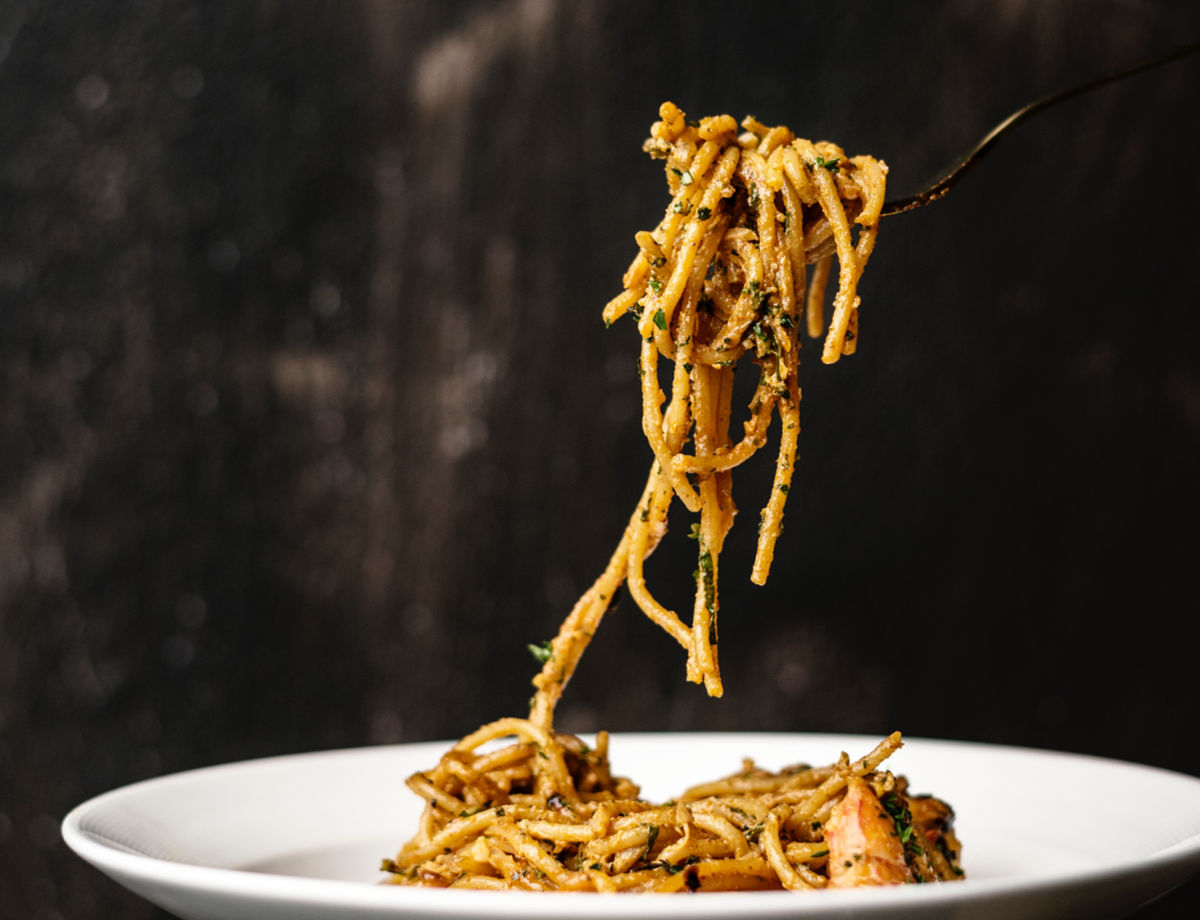
Carbonara is one of Rome’s four classic pasta dishes (along with Cacio e Pepe, Amatriciana, and Gricia), and it’s been the subject of heated debates among Italian food purists. The authentic recipe is deceivingly simple, requiring just a handful of ingredients and precise technique to achieve that silky, creamy sauce without using any cream at all.
The Carbonara Controversy
Before we dive into the recipe, let’s address the elephant in the room: authentic Carbonara contains no cream, no garlic, no peas, and no pancetta. The creamy texture comes entirely from the emulsion of eggs, pasta water, and the rendered fat from guanciale (cured pork jowl). This is the traditional Roman way, passed down through generations.
Ingredients (Serves 4):
The Essentials:
- 400g (14 oz) pasta - Traditionally rigatoni, spaghetti, or tonnarelli
- 200g (7 oz) guanciale - Cured pork jowl, cut into thick matchsticks
- 4 large egg yolks (plus 2 whole eggs for a richer sauce)
- 100g (3.5 oz) Pecorino Romano - Freshly grated
- Freshly ground black pepper - Generous amount
- Salt - For pasta water only
Key Ingredients Explained:
Guanciale: This cured pork jowl is essential to authentic carbonara. If you absolutely can’t find it, use pancetta as a second choice (never bacon - it’s smoked and will alter the flavor profile).
Pecorino Romano: A sharp, salty sheep’s milk cheese from Lazio. Some Romans mix it with Parmigiano-Reggiano for a milder flavor, but traditional carbonara uses 100% Pecorino.
Eggs: The ratio of yolks to whole eggs is debated even among Romans. Using mostly yolks creates a richer, more golden sauce.
Instructions:
1. Prepare Your Mise en Place
This dish comes together quickly, so have everything ready:
- Grate your Pecorino Romano (do not use pre-grated - it won’t emulsify properly)
- Cut guanciale into thick matchsticks (about 1cm/½ inch)
- Crack eggs into a bowl and whisk with grated Pecorino and plenty of black pepper
- Have a ladle ready for pasta water
2. Cook the Guanciale
Heat a large pan (large enough to hold all the pasta) over medium heat. Add the guanciale with no oil - it will render its own fat. Cook for 8-10 minutes until the fat is rendered and the guanciale is crispy but not hard. The fat should be golden and fragrant.
Pro tip: Don’t drain the fat! This is liquid gold and essential for the sauce.
Remove from heat and let the pan cool slightly while the pasta cooks.
3. Cook the Pasta
Bring a large pot of water to a rolling boil. Salt it generously (it should taste like the sea). Add your pasta and cook until very al dente - about 1-2 minutes less than package directions. The pasta will finish cooking in the sauce.
Before draining: Reserve at least 2 cups of pasta water. This is crucial!
4. Create the Egg Mixture
While the pasta cooks, whisk together:
- 4 egg yolks + 2 whole eggs
- All of the grated Pecorino Romano
- A very generous amount of freshly ground black pepper (at least 1 teaspoon, or more to taste)
The mixture should be thick and creamy, like a loose custard.
5. The Critical Step - Combining Everything
This is where most people mess up carbonara. The goal is to create a creamy emulsion without scrambling the eggs.
-
Temperature control: Make sure your guanciale pan is warm but not hot. If it’s too hot, let it cool for 2-3 minutes.
-
Add pasta to guanciale: Transfer the al dente pasta directly to the pan with the guanciale and its fat. Toss vigorously over very low heat.
-
Add pasta water: Add a ladleful of hot pasta water and toss to create an emulsion with the guanciale fat.
-
Remove from heat completely: Take the pan completely off the burner.
-
Add egg mixture: Pour the egg and cheese mixture over the pasta while tossing constantly and vigorously. The residual heat will gently cook the eggs.
-
Adjust consistency: Add pasta water, a little at a time, while continuing to toss. The sauce should coat the pasta like silk - creamy but not thick like Alfredo, and definitely not watery.
6. Serve Immediately
Carbonara waits for no one! Plate immediately and finish with:
- Extra grated Pecorino Romano
- More freshly ground black pepper
- Some of the crispy guanciale pieces on top
Tips for Perfect Carbonara:
Temperature is everything: The sauce should be warm enough to be silky, but not so hot that the eggs scramble. If you see any lumps, you went too hot.
Pasta water is magic: The starchy pasta water is what creates the emulsion. Don’t be shy - you may need more than you think.
Use the right pasta: Rigatoni, spaghetti, or tonnarelli (thick square spaghetti) are traditional. The sauce should coat the pasta, not pool at the bottom of the bowl.
Quality ingredients matter: With only five ingredients, each one counts. Don’t skimp on real Pecorino Romano or authentic guanciale.
Practice makes perfect: Even Italian nonnas will tell you that carbonara takes practice. Don’t be discouraged if your first attempt isn’t perfect.
The History
The origins of carbonara are debated. Some say it was created by coal miners (carbonari) in the Apennine mountains, others claim it was invented after World War II using American bacon and powdered eggs from Allied rations. What we know for certain is that it became a Roman staple in the mid-20th century and has been fiercely protected by Romans ever since.
Final Thoughts
Authentic carbonara is a testament to the Italian philosophy of cooking: take a few high-quality ingredients, treat them with respect, and master the technique. There’s no hiding behind heavy cream or garlic - just pure, eggy, pork-fat perfection.
When you get it right, that first bite of silky, peppery pasta studded with crispy guanciale is nothing short of magical. This is Roman soul food at its finest.
Buon appetito!
Pro tip from Nonna: If your sauce is too thick, add more hot pasta water. If it’s too thin, add more grated Pecorino. And if anyone suggests adding cream, show them the door.