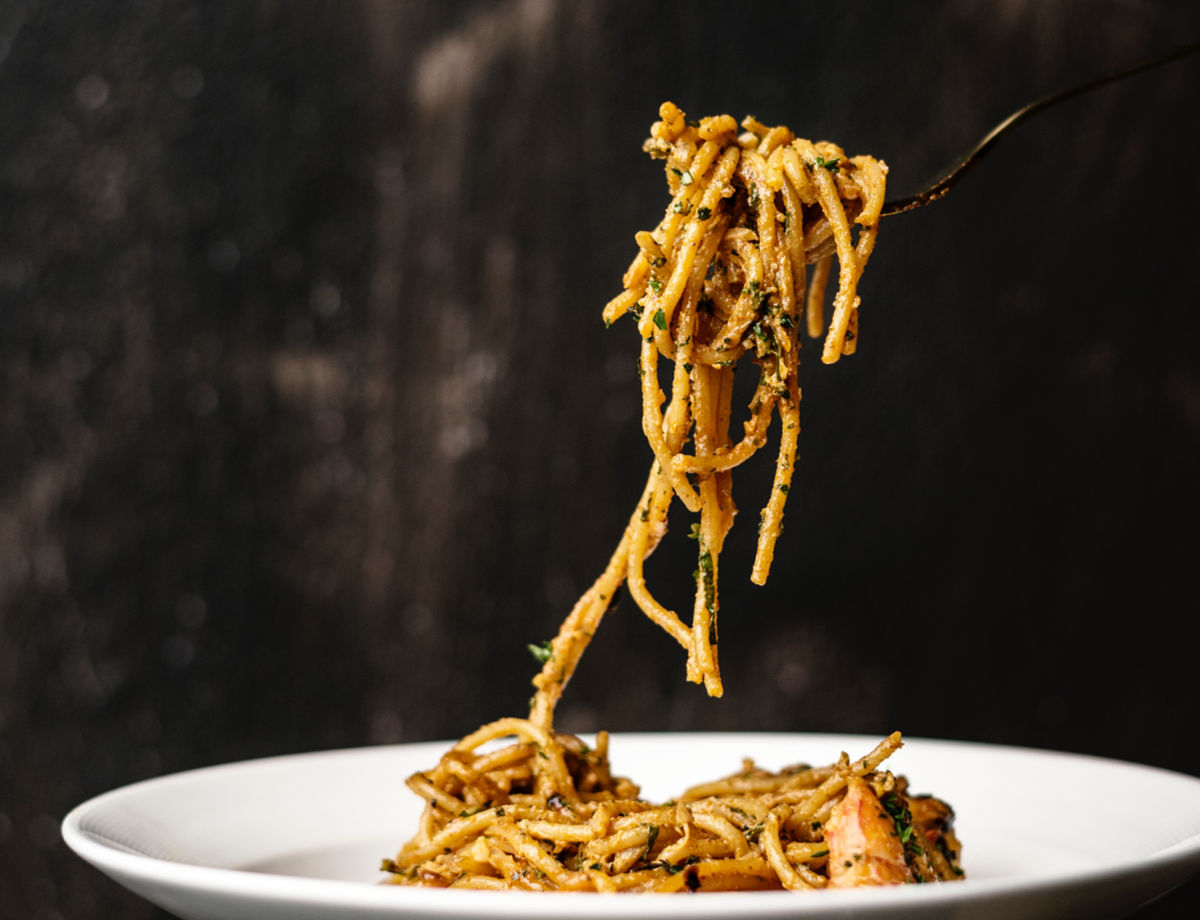
Pollo alla Cacciatora, or “hunter’s style chicken,” is one of Italy’s most beloved rustic dishes. Legend has it that hunters returning from the countryside would braise whatever they caught with whatever was available - tomatoes, wine, olives, and herbs. Today, this hearty one-pot meal remains a staple of Italian home cooking, beloved for its deep flavors and comforting simplicity.
The Hunter’s Kitchen
“Alla cacciatora” is a cooking style found throughout Italy, applied to chicken, rabbit, and other game. Each region has its own variation - some use white wine, others red; some add peppers, others olives. What unites them all is the slow-braised method that transforms simple ingredients into something extraordinary.
Ingredients (Serves 4-6):
For the Chicken:
- 1 whole chicken (1.5-2 kg / 3.5-4.5 lb) - cut into 8 pieces, or use bone-in thighs and drumsticks
- Salt and freshly ground black pepper
- 3 tbsp extra virgin olive oil
- 3 tbsp all-purpose flour - for dredging (optional)
For the Braise:
- 1 large onion - sliced
- 4 cloves garlic - minced
- 1 red bell pepper - sliced
- 1 yellow bell pepper - sliced
- 200g (7 oz) cremini mushrooms - quartered
- 1 can (400g) San Marzano tomatoes - crushed
- 200ml (3/4 cup) dry white wine - or red wine for a richer sauce
- 1/2 cup chicken broth
- 100g (3.5 oz) Kalamata or Gaeta olives - pitted
- 2 tbsp capers - drained and rinsed
- 4 anchovy fillets - optional, for depth (they disappear into the sauce)
- 2 sprigs fresh rosemary
- 4 sprigs fresh thyme
- 2 bay leaves
- 1/2 tsp red pepper flakes (optional)
- Fresh basil - for finishing
Key Ingredients Explained:
Bone-in Chicken: The bones add flavor and body to the sauce. Dark meat (thighs and drumsticks) stays more tender during braising, but a mix of pieces is traditional.
Olives: Use good Italian olives - Gaeta or Taggiasca are traditional, Kalamata works well too. Avoid canned black olives.
Anchovies: Don’t skip these! They dissolve completely and add umami depth without any fishiness.
Instructions:
1. Prepare the Chicken
Pat chicken pieces completely dry with paper towels. Season generously with salt and pepper on all sides.
Optional: Dredge lightly in flour, shaking off excess. This creates a better sear and thickens the sauce slightly.
2. Brown the Chicken
Heat olive oil in a large Dutch oven or heavy-bottomed pot over medium-high heat.
Working in batches (don’t crowd):
- Add chicken pieces skin-side down
- Cook without moving for 4-5 minutes until deeply golden
- Flip and brown the other side, 3-4 minutes more
- Transfer to a plate
Pro tip: Resist the urge to move the chicken while it browns. Let the Maillard reaction do its work.
3. Build the Aromatics
Reduce heat to medium. Pour off all but 2 tablespoons of fat.
-
Saute vegetables: Add onion and cook until softened, 4-5 minutes. Add bell peppers and cook 3-4 minutes more.
-
Add garlic and anchovies: Stir in garlic and anchovies (if using). Cook until anchovies dissolve, about 2 minutes.
-
Add mushrooms: Stir in mushrooms and cook until they release their liquid and begin to brown, about 5 minutes.
4. Deglaze and Build the Sauce
-
Add wine: Pour in the wine, scraping up all the browned bits from the bottom. Let it simmer until reduced by half, about 3 minutes.
-
Add tomatoes and broth: Pour in crushed tomatoes and chicken broth. Stir to combine.
-
Add herbs: Add rosemary sprigs, thyme, bay leaves, and red pepper flakes (if using).
-
Season: Add salt and pepper to taste, keeping in mind the olives and capers will add saltiness.
5. Braise the Chicken
- Return chicken pieces to the pot, nestling them into the sauce (skin-side up)
- Add olives and capers, scattering them around the chicken
- Bring to a gentle simmer
- Cover and reduce heat to low
- Cook for 35-45 minutes until chicken is cooked through (internal temp 74°C/165°F)
For crispier skin: During the last 10 minutes, remove the lid and turn the heat up slightly.
6. Finish and Serve
- Remove bay leaves, rosemary, and thyme stems
- Taste sauce and adjust seasoning
- Tear fresh basil over the top
- Let rest 5 minutes before serving
Serving Suggestions:
Classic pairings:
- Creamy polenta - perfect for soaking up the sauce
- Crusty bread - for sauce-mopping
- Mashed potatoes - comfort food meets comfort food
- Pasta - toss pappardelle or rigatoni with extra sauce
- Simple risotto - saffron risotto is excellent alongside
Wine pairing: Chianti Classico, Montepulciano d’Abruzzo, or a medium-bodied Sangiovese.
Tips for Perfect Cacciatora:
Dry your chicken: Wet chicken won’t brown properly. Pat it very dry and season just before cooking.
Don’t skip browning: This step creates flavor that no amount of braising can replicate.
Low and slow: Once the chicken is in the sauce, keep the heat gentle. Aggressive boiling makes tough meat.
Bone-in is essential: Boneless chicken will overcook and lack flavor. The bones enrich the sauce.
Make ahead: Like many braises, this is even better the next day. Cool completely, refrigerate, and reheat gently.
Adjust consistency: If sauce is too thin, remove chicken and reduce sauce. Too thick? Add a splash of broth.
Regional Variations:
Tuscan Style: Uses white wine, rosemary, and sage. Often simpler with fewer vegetables.
Roman Style: Adds bell peppers and tends to be more tomatoey.
Neapolitan Style: Includes olives and capers prominently, sometimes with a hint of vinegar.
Northern Italian: Uses butter along with oil, and may include cream at the end.
Rabbit Cacciatora: The original hunter’s version, prepared exactly the same way.
The Rustic Italian Philosophy
Pollo alla Cacciatora embodies the Italian approach to everyday cooking: take humble ingredients, apply time-tested technique, and transform them into something greater than the sum of their parts. It’s not fussy cooking - it’s practical, nourishing food that happens to be delicious.
This is the kind of dish Italian nonnas make on weeknights, the kind of food that fills a kitchen with warmth and aroma, the kind of meal that brings everyone to the table.
Make It Your Own:
Once you’ve mastered the basic technique, feel free to improvise:
- Add fennel seeds for an anise note
- Include artichoke hearts in spring
- Use pancetta or guanciale for extra richness
- Add a splash of balsamic at the end for depth
- Include cherry tomatoes for bursts of sweetness
Final Thoughts
Pollo alla Cacciatora is proof that great cooking doesn’t require expensive ingredients or complicated techniques. A chicken, some vegetables, tomatoes, wine, and herbs - ingredients available anywhere - become something memorable when treated with respect and given time.
This is the food of Italian homes, not restaurants. It’s meant to be made in big batches, shared generously, and enjoyed with good bread, good wine, and good company.
Buon appetito!
Hunter’s wisdom: The best cacciatora is made with patience. Don’t rush the browning, don’t rush the braise, and don’t rush to eat - let it rest so the flavors come together.