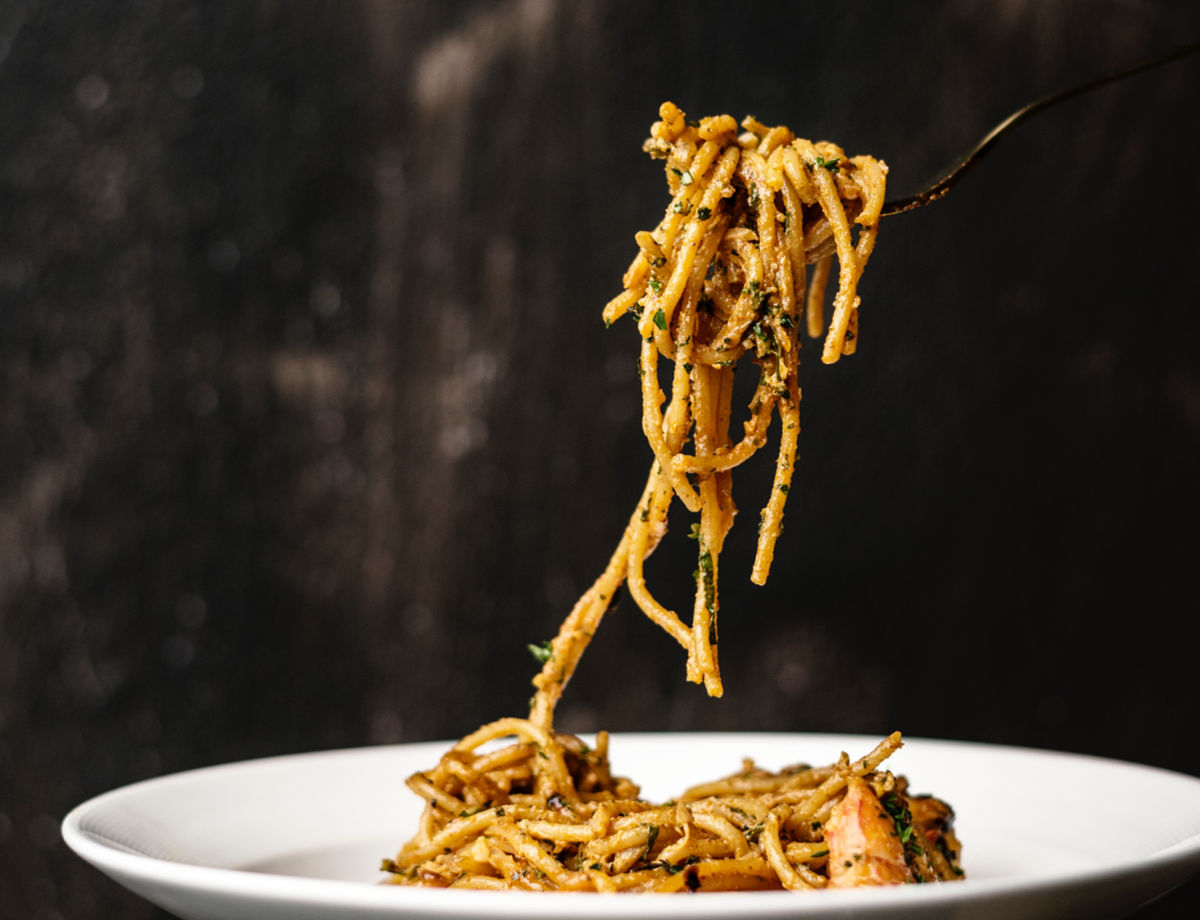
Saltimbocca alla Romana is one of Rome’s most beloved dishes, and its name tells you everything you need to know: “salta in bocca” literally means “jumps in the mouth.” This elegant yet simple preparation showcases the Italian genius for combining just a few quality ingredients into something extraordinary.
The Art of Saltimbocca
This dish dates back to at least the 19th century in Rome, though some food historians trace its origins to Brescia in Lombardy. Regardless of its birthplace, Romans have perfected it and made it their own. The combination of tender veal, salty prosciutto, and aromatic sage creates a harmony of flavors that’s hard to beat.
Ingredients (Serves 4):
The Essentials:
- 8 veal escalopes (about 500g/1.1 lb total) - pounded thin
- 8 slices prosciutto crudo - preferably San Daniele or Parma
- 16 fresh sage leaves - large, unblemished leaves
- 60g (4 tbsp) unsalted butter
- 120ml (1/2 cup) dry white wine - Frascati is traditional
- 2 tbsp extra virgin olive oil
- Salt and freshly ground black pepper
- Wooden toothpicks - for securing
Key Ingredients Explained:
Veal Escalopes: Traditionally made with veal, but you can substitute chicken breast or pork tenderloin. The key is pounding the meat thin (about 5mm/1/4 inch) for quick, even cooking.
Prosciutto Crudo: Use quality Italian prosciutto - it provides saltiness and umami, so don’t add much additional salt to the dish.
Fresh Sage: Absolutely essential. Dried sage won’t give you the same aromatic depth. The leaves should be fresh and vibrant.
Instructions:
1. Prepare the Veal
Place each veal escalope between two sheets of plastic wrap. Using a meat mallet or rolling pin, pound gently and evenly until about 5mm (1/4 inch) thick. The meat should be uniform for even cooking.
Season the veal lightly with pepper only (the prosciutto provides salt).
2. Assemble the Saltimbocca
- Lay one slice of prosciutto on each veal escalope
- Place 2 sage leaves on top of the prosciutto
- Secure with a wooden toothpick threaded horizontally through the layers
- The prosciutto side will be cooked facing down first
Pro tip: Don’t overlap the prosciutto - one slice per escalope. The layers should be flat and even.
3. Cook the Saltimbocca
Heat 2 tablespoons of butter with the olive oil in a large skillet over medium-high heat. You want the fat hot but not smoking.
Working in batches to avoid crowding:
- Place saltimbocca prosciutto-side down in the pan
- Cook for 2 minutes until the prosciutto is slightly crispy and golden
- Flip carefully and cook for another 1-2 minutes until the veal is just cooked through
- Transfer to a warm plate and tent with foil
Critical: Don’t overcook! Veal escalopes this thin cook in 3-4 minutes total.
4. Make the Pan Sauce
With the pan off heat, add the white wine to deglaze, scraping up any browned bits from the bottom. Return to medium heat and let the wine reduce by half (about 2 minutes).
Add the remaining butter and swirl the pan constantly until the butter melts and emulsifies into a glossy sauce. Season with a pinch of pepper.
5. Serve Immediately
Remove the toothpicks from the saltimbocca. Arrange on warm plates and spoon the pan sauce over each piece. Garnish with a few extra fresh sage leaves if desired.
Traditional Accompaniments:
- Roman-style spinach (spinaci alla romana) - sauteed with garlic, olive oil, pine nuts, and raisins
- Roasted potatoes - crispy and herbed
- Simple green salad - dressed with lemon and olive oil
- Crusty Italian bread - for soaking up that delicious sauce
Tips for Perfect Saltimbocca:
Room temperature meat: Take the veal out of the refrigerator 20 minutes before cooking for even cooking.
Hot pan, quick cook: The pan should be properly heated. You’re looking for a quick sear, not a slow cook.
Don’t press the meat: Let it cook undisturbed. Pressing releases juices and makes the meat dry.
Wine choice matters: Use a wine you’d drink. Frascati is traditional and from the Lazio region, but any dry, crisp white wine works.
Rest briefly: Let the saltimbocca rest for just a minute while you make the sauce - it stays hot enough due to its thinness.
Variations:
Chicken Saltimbocca: Substitute pounded chicken breast for veal. Slightly increase cooking time (2-3 minutes per side).
Saltimbocca Bundles: Roll the veal around the prosciutto and sage instead of laying flat - creates an elegant presentation.
With Mushrooms: Add sliced cremini mushrooms to the pan before deglazing for an earthier dish.
Marsala Version: Use Marsala wine instead of white wine for a richer, sweeter sauce (though this is technically a different dish).
The Roman Way
In Rome, you’ll find saltimbocca on nearly every trattoria menu, from tourist spots near the Trevi Fountain to local haunts in Trastevere. The best versions keep it simple: quality veal, good prosciutto, fresh sage, and a light butter sauce. No flourishes needed.
Romans traditionally serve this as a secondo (main course), often preceded by a simple pasta like cacio e pepe or a Roman artichoke. It’s the kind of meal that makes you understand why Italian cooking has conquered the world - honest ingredients, perfect technique, pure satisfaction.
Final Thoughts
Saltimbocca alla Romana proves that Italian cooking at its best doesn’t need complexity. Three main ingredients, a hot pan, and a splash of wine create something that truly does “jump in your mouth.” Master this dish and you’ll have a Roman classic in your repertoire that never fails to impress.
Buon appetito!
Note from Nonna: The sage must be fresh - never dried. And remember, the prosciutto provides salt, so taste before adding any. A true Roman would never over-salt their saltimbocca.